
59
Mock Tests
Available Now
🚀 Loading Excellence...
Complete guide to UGC NET English Paper 2, Master all units to excel in your exam.
UGC NET 30. English Syllabus 2026 - Unit-wise Breakdown
| Unit | British & Non-British Theatre | Key Topics | Key Authors |
|---|---|---|---|
|
Unit 1
|
Drama (British & World)
|
Elizabethan, Jacobean, Restoration, & Modern Drama
|
Shakespeare, Marlowe, Beckett, G.B. Shaw
|
|
Unit 2
|
Poetry (British & World)
|
Metaphysical, Romantic, Victorian, & Modernist Poetry
|
Donne, Wordsworth, Keats, T.S. Eliot
|
|
Unit 3
|
Fiction & Short Story
|
Rise of the Novel, Gothic Fiction, & Post-modern Fiction
|
Dickens, Austen, Woolf, Salman Rushdie
|
|
Unit 4
|
Non-Fictional Prose
|
Essays, Biographies, & Philosophical Prose
|
Francis Bacon, Charles Lamb, Mary Wollstonecraft
|
|
Unit 5
|
Language & Linguistics
|
History of English, ELT in India, & Basic Grammar
|
Noam Chomsky, Saussure, David Crystal
|
Key authors you need to know for UGC NET 30. English
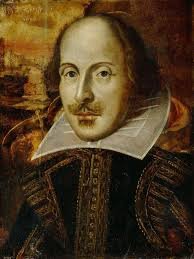
Renowned English playwright and poet, widely regarded as the greatest writer in the English language and the world's pre-eminent dramatist.
Key Works: Hamlet, Macbeth, Romeo and Juliet, Othello, King Lear, A Midsummer Night's Dream, The Tempest, Sonnets
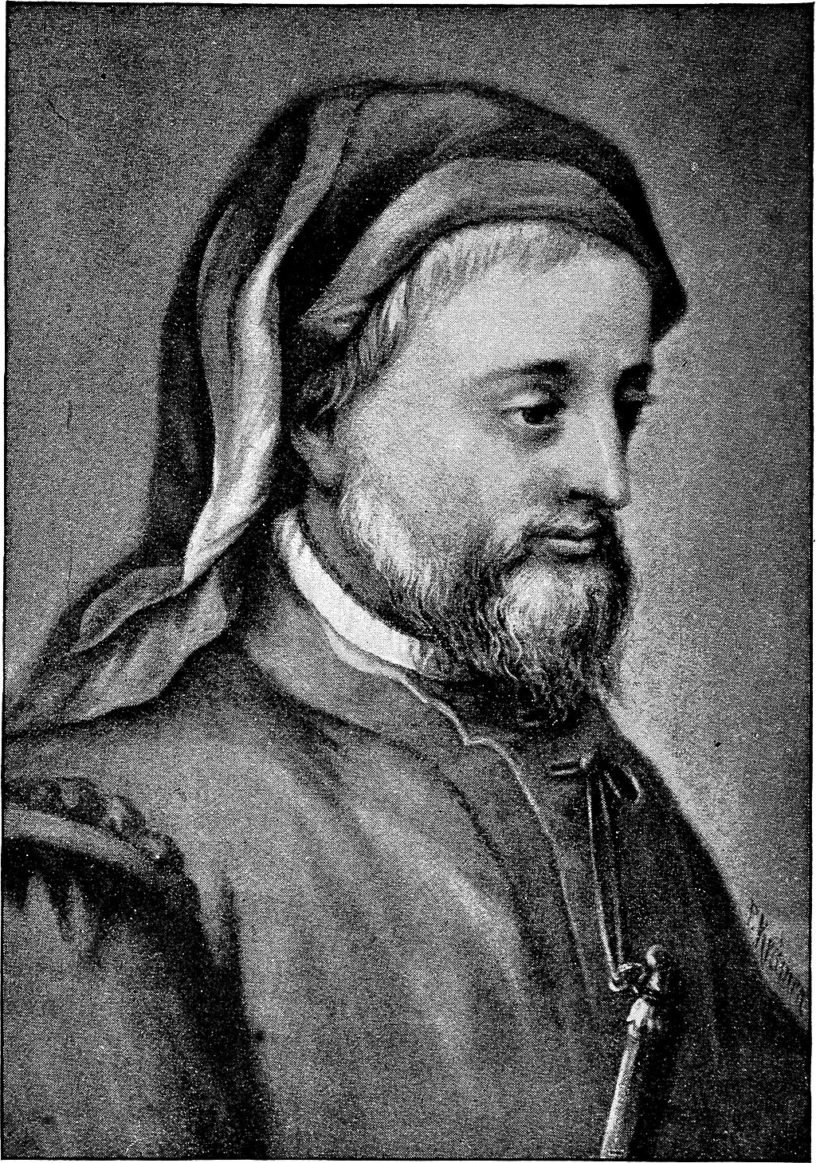
Known as the "Father of English Literature," Chaucer was the greatest English poet of the Middle Ages and the first to be buried in Poets' Corner.
Key Works: The Canterbury Tales, Troilus and Criseyde, The House of Fame, Parliament of Fowls.
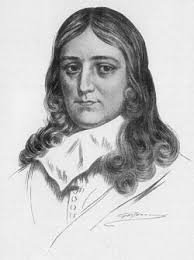
A monumental English poet and polemicist, best known for his epic masterpiece which stands as a peak of English literature.
Key Works: Paradise Lost, Lycidas, Areopagitica, Samson Agonistes, Comus.
Preparation for the UGC NET examination in English demands a thorough understanding of both literary and non-literary components of the syllabus along with consistent practice. Candidates should begin by identifying their strengths and weaknesses across areas such as British, American, Indian and World Literatures, Literary Theory, Criticism, Linguistics and Rhetoric. Regular self-evaluation through Previous years tests is essential to understand recurring themes and question patterns. Studying from standard reference texts and reliable study materials helps in developing conceptual clarity and critical understanding. Daily practice of objective-type questions improves accuracy, speed and familiarity with exam-oriented terminology. A well-structured unit-wise study plan ensures balanced coverage of the entire syllabus and prevents selective preparation. Candidates should revise key concepts, literary movements, authors and works using charts, timelines and comparative tables for better retention. Since the UGC NET examination has no negative marking or sectional cut-off, aspirants should focus on attempting maximum questions while maintaining precision and time efficiency.
UGC NET English Syllabus
Start with fundamental concepts, major topics, and their applications. Build a strong theoretical foundation before moving to advanced topics.
Learn key theories and concepts. Understand major principles and their applications. Focus on high-weightage topics.
Solve previous year papers and practice MCQs regularly. Focus on high-weightage units. Practice identifying key concepts and applications.
Focus on major topics from high-weightage areas. Use summaries for less important topics. Focus on concepts and applications.
Regular mock tests help in self-assessment, identifying weak areas, and improving speed and accuracy under exam conditions. Aim for at least 10 full-length tests.
Create concise notes for quick revision. Include key concepts, theories, and important points. Use diagrams and flowcharts for better understanding.

by Vineet Pandey
View Book